Making Sense of Rancho Santa Fe Estate Homes
April 16, 2026
April 16, 2026
Wondering what really makes a Rancho Santa Fe estate an "estate"? In this market, it is not just about a large home or a high price tag. If you are buying or selling in Rancho Santa Fe, you need to understand how lot size, usable land, architectural standards, trails, and Covenant rules all shape value. Let’s dive in.
Rancho Santa Fe is a planned country-residential community established in 1928 with a long-standing focus on rural landscape preservation, agriculture, and architectural control. According to the Rancho Santa Fe Association, the historic Covenant covers about 10 square miles, or 6,730 acres, and is home to roughly 4,300 residents.
That planning history still matters today. The original land plan created a central village with parcels that expanded outward from smaller village lots to much larger estate properties. As a result, Rancho Santa Fe includes both true estate-scale parcels and smaller homesites closer to the village.
One of the biggest misconceptions about Rancho Santa Fe is that every property sits on a large estate lot. In reality, the Association notes that while much of the Ranch is low-density and large-lot in character, minimum net lot sizes vary by area, from 2.86 acres in Residence Area 1 down to 0.20 acres in Residence Area 4. You can review that broader community overview on the Association’s At a Glance page.
That means raw acreage only tells part of the story. Net lot size can exclude street rights-of-way, road and driveway easements, and narrow panhandle sections, so a parcel may feel very different in practice than it appears on paper.
For many buyers and sellers, the more important question is how much of the site is actually usable. A parcel with flat or gently graded land may offer more flexibility for outdoor living, privacy, or future improvements than a larger lot with steep terrain or restrictive setbacks.
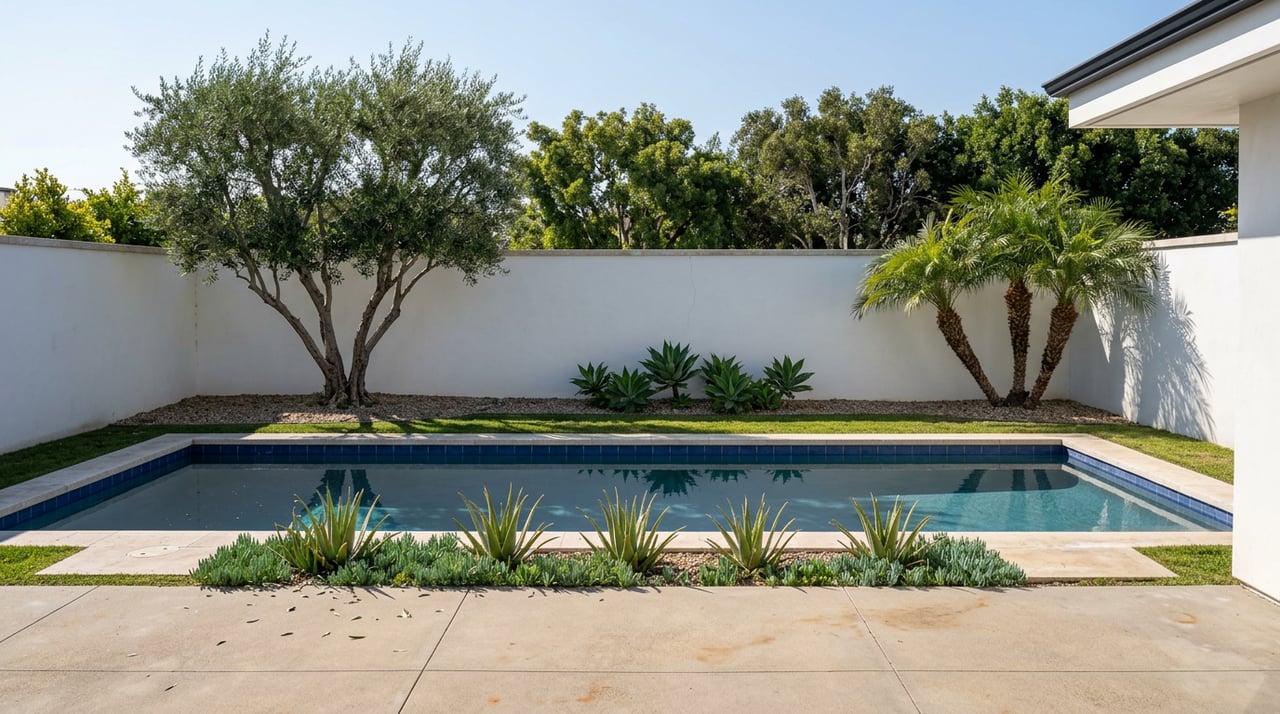
This becomes especially relevant if you are thinking about features such as a guest house, pool, sport court, or horse facilities. Based on the Association’s approval structure and site rules, a property with strong usability and clean planning logic is often easier to position in the market than one that simply has more acreage.
Rancho Santa Fe has a well-known equestrian identity, but not every property automatically supports horse use. The Association’s animal-keeping rules state that the minimum lot size for keeping horses or bovine cattle is 2 gross acres, and residential property is generally limited to one animal per gross acre unless the Art Jury sets a lower limit. You can review those details in the Animal Keeping Regulation.
Those rules also require permits. Commercial horse uses such as boarding, breeding, riding clubs, or horse shows are prohibited on residential property, and permits can be amended or revoked if conditions change.
The Covenant includes nearly 60 miles of private equestrian and pedestrian trails for residents and guests, according to the Association’s trails, fields, and open spaces overview. The community also includes the 24.6-acre Ewing Preserve and the 68-acre Arroyo open space buffer along the San Dieguito River.
For estate buyers, that trail network can be a meaningful part of the ownership experience. For sellers, proximity to trails, open space, or established equestrian infrastructure may help a property stand out when paired with the right site layout and approvals.
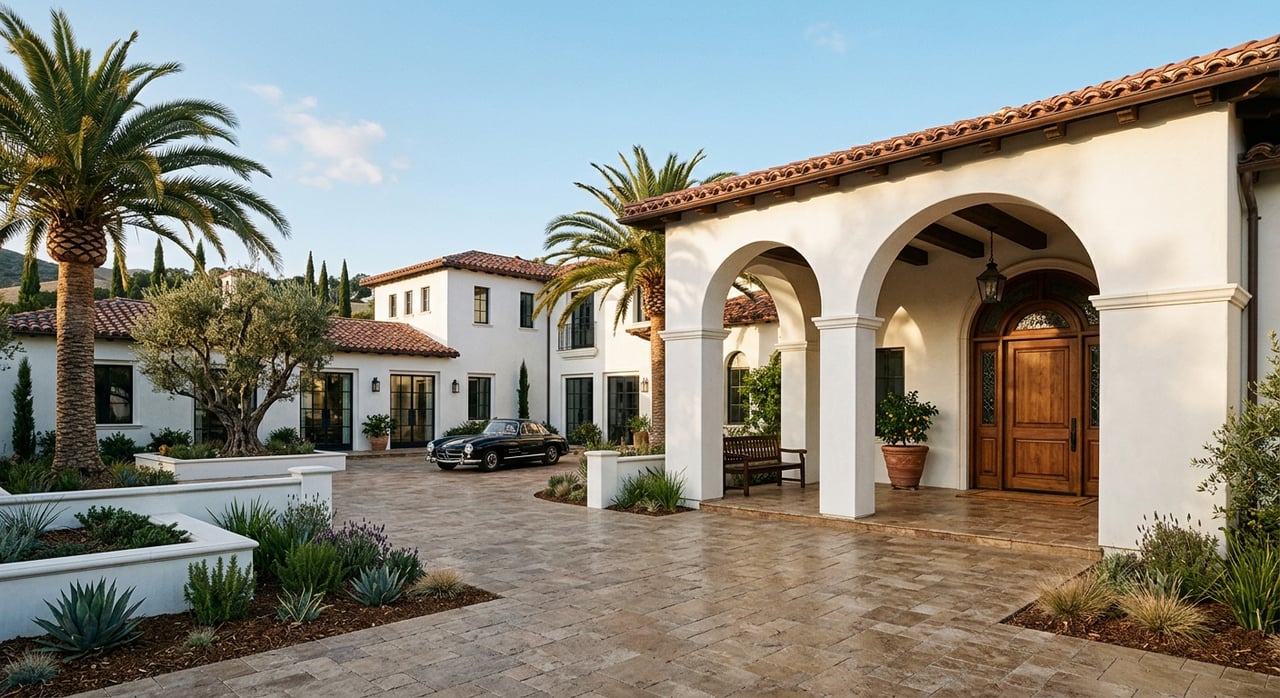
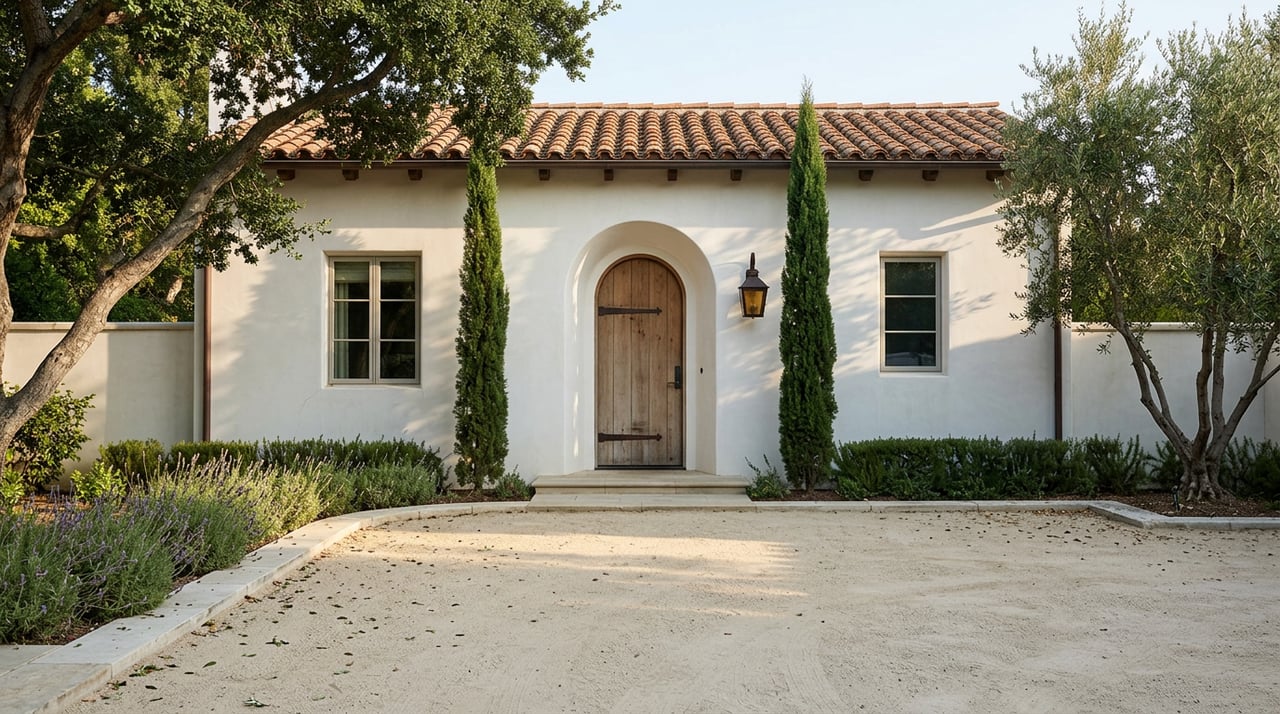
Rancho Santa Fe is not a place where architecture is treated casually. The community’s identity is closely tied to Spanish Colonial Revival design and the legacy of Lilian Rice, whose work helped shape the village and broader visual character. The Association’s history page explains that this design heritage remains central to the community.
Current review standards are selective by design. The Association’s Residential Design Guidelines prefer restrained, compatible forms and note that many non-indigenous or foreign architectural genres are considered unacceptable.
This matters because buyers are not just evaluating beauty. They are also evaluating whether a home fits the community and whether future changes may be easier or harder to approve.
Roof form, materials, massing, and exterior character all play a role. The guidelines favor low-pitched roofs and identify materials such as clay tile, slate, and heavy wood shingles or shakes as acceptable in many cases, while discouraging forms that conflict with the community’s traditional design philosophy.
Design expectations now intersect with resilience. In a June 2025 staff report, the Association said the Art Jury was reviewing and approving materials that support both appearance and fire safety, including clay and concrete tile roofing, synthetic shake roofing, stucco, fiber cement siding, stone veneer, tempered dual-glazed glass, and metal-clad or steel frames. That report is available here.
If you own an older estate, this is worth paying attention to before listing. Exterior materials, landscaping choices, and deferred updates may influence both buyer perception and future project planning.
One of the most important parts of making sense of Rancho Santa Fe estates is understanding governance. Homeowners in the Covenant agree in escrow to abide by the Protective Covenant, and the Association’s Building Department and Art Jury review a wide range of exterior changes. The Association outlines this process in its Art Jury message.
Review may apply to guest houses, pool houses, ADUs, sport courts, pools, fences, gates, windows, doors, tree removal, grading, lighting, hardscape, and more. In other words, ownership here comes with a meaningful layer of oversight that can directly affect both enjoyment and resale.
If you are buying, do not assume every visible feature is fully approved or transferable just because it exists. Permit history, recorded easements, site plans, and prior Association approvals all deserve careful review, especially for estate and equestrian properties.
That diligence can help you avoid surprises after closing. It can also give you a clearer sense of what the property can realistically support in the future.
If you are selling, preparation matters. A home with organized records, clear approval history, and a strong understanding of site constraints is often easier to present with confidence.
This is especially true in a market where buyers tend to do deep research. When you can clearly explain lot characteristics, improvements, approvals, and landscape stewardship, you reduce friction and build trust.
Rancho Santa Fe offers more than large homes and private grounds. The Association notes that Covenant homeowners have access to the Rancho Santa Fe Golf Club, while the Tennis Club includes eight hard courts, two clay courts, four pickleball courts, and one combo court for Covenant members and guests.
The community also sits about four miles from the Pacific Ocean and offers access to nearby beaches, shopping, dining, and medical services, according to the Association’s community overview. For many buyers, that blend of privacy, open space, and convenience is part of what makes Rancho Santa Fe estates distinct.
As a market snapshot, Realtor.com’s Rancho Santa Fe overview reported in March 2026 that Rancho Santa Fe had a median listing price of $5.54 million, 120 active listings, and a median 71 days on market. Homes were selling at about 95% of asking price on average, and the market was characterized as a buyer’s market in February 2026.
In the core 92067 ZIP code, the median listing price was about $6.19 million. For buyers, that can create room for careful negotiation and deeper due diligence. For sellers, it reinforces the need for strong positioning, polished presentation, and realistic pricing from the start.
In Rancho Santa Fe, estate value is shaped by more than interior square footage. The strongest properties often combine several factors well:
That combination can make a property easier to enjoy, easier to improve, and easier to market. A larger house on a more complicated site may not always outperform a smaller estate with better land use, stronger design alignment, and cleaner documentation.
If you are preparing to buy or sell in Rancho Santa Fe, it helps to work with someone who can look beyond surface features and focus on what truly drives value. For tailored guidance on positioning, pricing, or evaluating a property in North County San Diego, connect with Michelle Warner.
Stay up to date on the latest real estate trends.
Get assistance in determining current property value, crafting a competitive offer, writing and negotiating a contract, and much more. Contact me today.