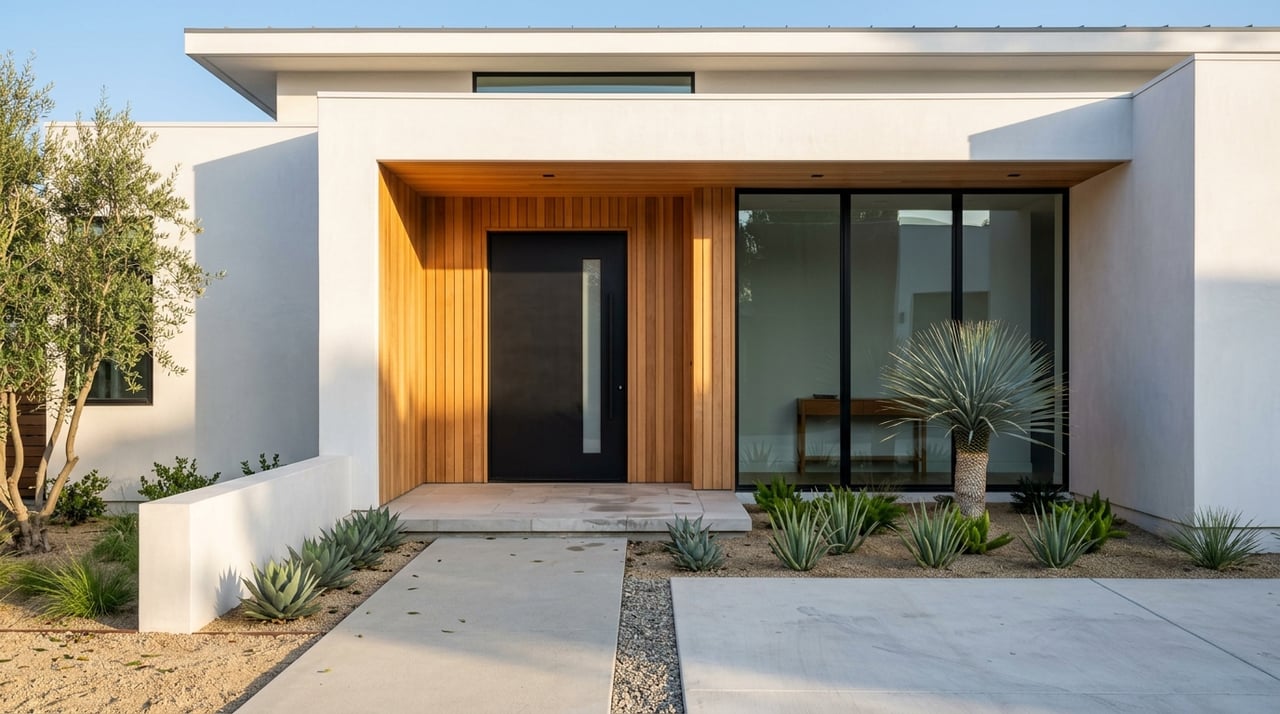
Poway Home Pricing Strategy for Any Market
June 4, 2026
June 4, 2026
Wondering how to price your Poway home without leaving money on the table or watching it sit too long? You are not alone. In a market where home values are still high but buyer behavior can shift quickly, the right list price takes more than a quick online estimate. This guide will show you how smart pricing works in Poway, what local factors matter most, and how to position your home to attract serious buyers from day one. Let’s dive in.
Pricing a home in Poway is not a countywide exercise. It is a hyper-local strategy.
Recent market snapshots show that Poway remains a high-value market, but the numbers vary depending on the source. As of April 2026, Zillow placed the average Poway home value at $1,235,827 and the median sale price at $1,156,417. Redfin reported a median sale price of $1,299,329, while Realtor.com showed a median listing price of $1,349,000 and a median sold price of $1,230,000.
Those differences do not mean the data is wrong. They reflect different methods and data sets. For you as a seller, the key takeaway is simple: a local comparative market analysis, or CMA, should carry more weight than any one online estimate.
Poway covers 39.4 square miles and includes a wide range of home settings. More than half of the city is preserved as open space, and 80% of the housing units are single-family dwellings.
That matters because two homes with similar square footage can have very different market appeal. Lot size, slope, privacy, views, open-space adjacency, commute access, and proximity to daily amenities can all affect value in meaningful ways.
The city also includes several specific-plan areas, such as Old Poway, South Poway, Rancho Arbolitos, Bridlewood, Hidden Valley Ranch, and others. Properties within planned districts may have different standards and development patterns, which is one more reason broad averages only tell part of the story.
If you want the most accurate price, you need to look at your immediate area first. In Poway, neighborhood-level pricing can vary quite a bit.
For example, recent Realtor.com data showed Old Poway with a median listing price of $1,389,450, while Golden City was at $950,000. That spread shows why your pricing strategy should be based on your home’s micro-market, not just the city headline number.
This is where local experience becomes especially important. A seller in a gated enclave, hillside setting, or custom-home area should not rely on the same pricing logic as a tract home in another part of town.
A strong list price starts with the right comparable sales. That means recent sold homes that are similar to yours in location, size, style, lot characteristics, and overall condition.
But closed sales are only part of the picture. A good CMA should also look at pending sales and active competition. Pending homes can show where buyers are agreeing on value right now, and active listings show what your home will compete against the moment it hits the market.
If a similar home nearby just went pending quickly, that can be a strong signal. If several active listings have been sitting with price cuts, that can point to buyer resistance at a certain price point.
When reviewing comparable homes, focus on properties that are as similar as possible in:
In Poway, details like a usable yard, hillside access, or open-space setting can affect value more than sellers expect. That is why the best comps are usually the closest match in both location and lifestyle appeal.
Price is not just about square footage and recent sales. It is also about what buyers see, feel, and compare.
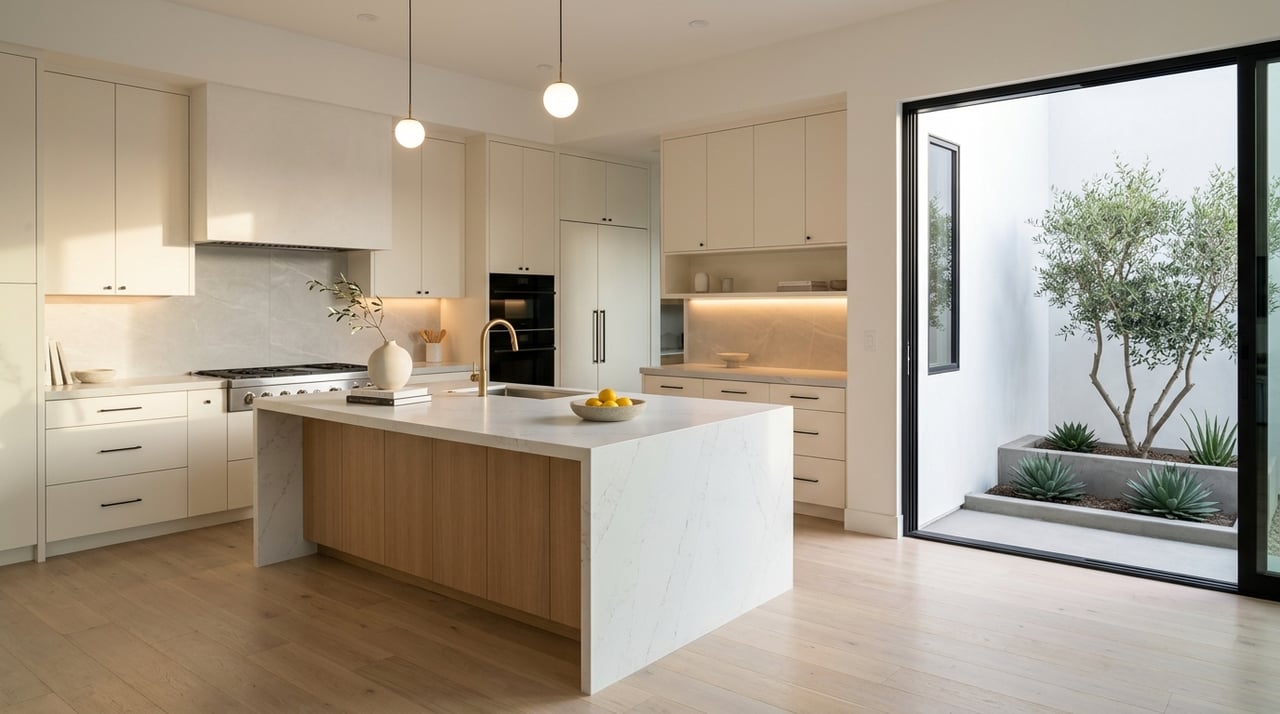
An agent pricing your home should account for condition, updates, needed repairs, and any improvements that set your property apart. A remodeled kitchen, newer finishes, well-kept landscaping, or move-in-ready presentation can support a stronger list price than a similar home that feels dated.
The reverse is also true. If buyers expect to budget for repairs, cosmetic updates, or deferred maintenance, they will often adjust their offers accordingly.
Before listing, it may help to address the items buyers notice first:
You do not always need a major remodel to improve price position. Sometimes a cleaner, lighter, and more polished presentation makes the difference.
If you want top-dollar pricing, your home needs to look the part. Buyers do not separate price from presentation as much as sellers hope.
According to the National Association of Realtors’ 2025 staging report, 29% of agents said staging increased the dollar value offered by 1% to 10%. The same report found that 49% said staging reduced time on market.
The rooms buyers tend to notice most are the living room, primary bedroom, and kitchen. Even if you do not fully stage the entire home, decluttering, cleaning, and improving those key spaces can strengthen how buyers respond to your price.
A home that looks compelling online and in person usually gets more attention early. That matters because the first two to four weeks are often the most important pricing window.
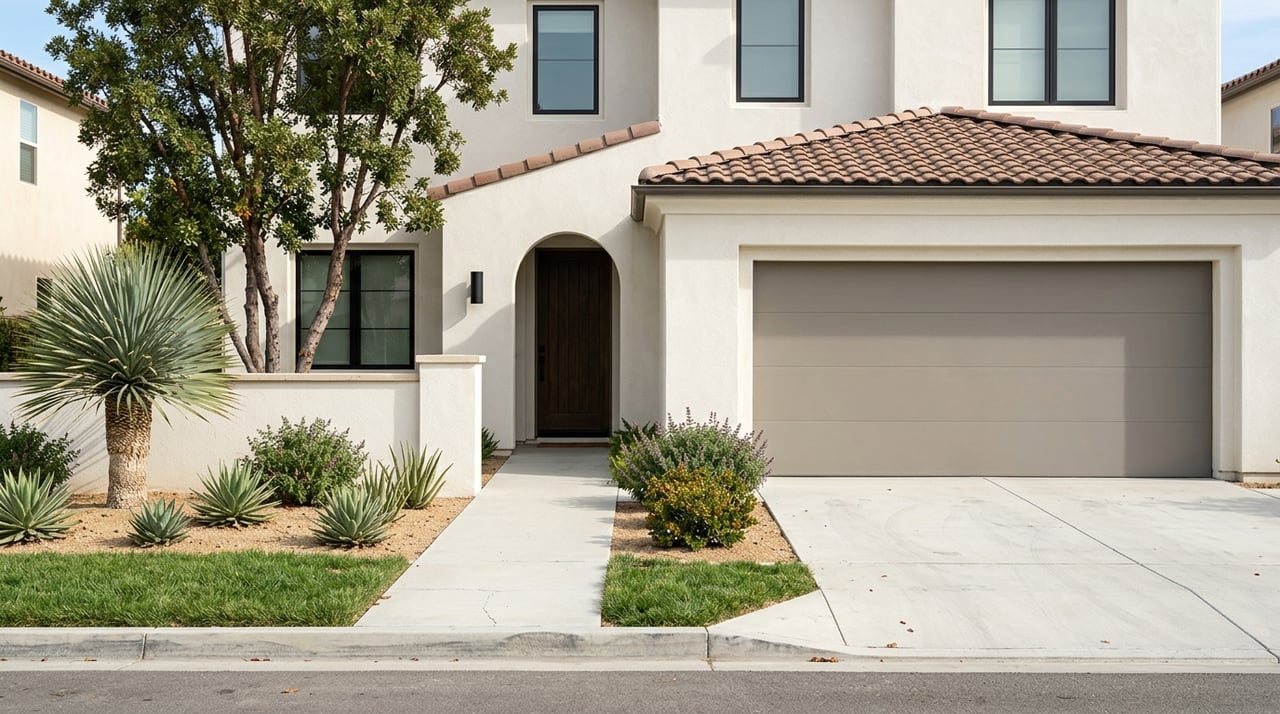
Marketing can include professional photography, MLS exposure, signage, open houses, social media, curb appeal improvements, and thoughtful preparation before launch. A well-marketed listing can attract a broader pool of buyers, which gives your list price a better chance to hold.
For many Poway sellers, pricing and marketing should be planned together. If the home is positioned well, buyers are more likely to see value instead of searching for reasons to negotiate downward.
Even in a high-value market like Poway, buyer budgets matter. Mortgage rates influence what buyers can comfortably afford each month.
Freddie Mac reported the 30-year fixed mortgage rate at 6.53% on May 28, 2026. When rates are higher, buyers can become more selective, and that can put more pressure on sellers to price realistically.
This is one reason a list price cannot rely only on what a similar home sold for months ago. It also needs to reflect current demand, financing conditions, and how many qualified buyers are likely to step in at your number today.
Recent Poway data suggests buyers are still active, but not careless. Zillow reported homes going pending in about 11 days, Redfin showed about 18 days on market, and Realtor.com reported a median of 33 days.
Those figures differ, but they point to the same pattern. Homes can move fast when they are priced and presented well, while others may take longer if buyers see a mismatch.
Redfin also noted that hot homes can sell for about 2% above list and go pending in around 7 days. That does not mean every listing should aim low. It means the market often rewards homes that enter at a price buyers see as credible and compelling.
It is tempting to test the market with an ambitious number. In practice, overpricing often backfires.
A home that starts too high may miss the first wave of serious buyers. If it sits, buyers may begin to wonder what is wrong, and that can lead to lower offers, more negotiation pressure, or requests for price cuts and concessions.
In a market like Poway, where buyers are watching new inventory closely, your launch matters. The best strategy is usually to price within the most likely sold range, not at the highest hopeful number.
In Poway, site characteristics can shape buyer perception in ways that do not show up in simple price-per-square-foot math. This is especially true for homes in hillside or rural-style settings.
The City of Poway states that more than 90% of its geography is in a Fire Hazard Severity Zone. For some properties, wildfire disclosure, defensible-space expectations, and insurance questions may affect how buyers assess risk and value.
That does not mean these homes cannot sell well. It means pricing should reflect the full picture, including lot type, location, and any factors buyers are likely to evaluate more closely.
No matter what the broader market is doing, the fundamentals stay the same. Your best list price comes from a combination of local comps, current competition, buyer affordability, property condition, and launch quality.
If you are selling in Poway, the goal is not to chase an online estimate or choose the highest possible number. The goal is to create a pricing strategy that attracts the right buyers, supports strong negotiations, and puts your home in the best position from day one.
That is where local knowledge, careful preparation, and professional marketing can make a real difference. If you are thinking about selling and want a pricing strategy tailored to your home, connect with Michelle Warner for experienced, Poway-local guidance.
Stay up to date on the latest real estate trends.
Get assistance in determining current property value, crafting a competitive offer, writing and negotiating a contract, and much more. Contact me today.